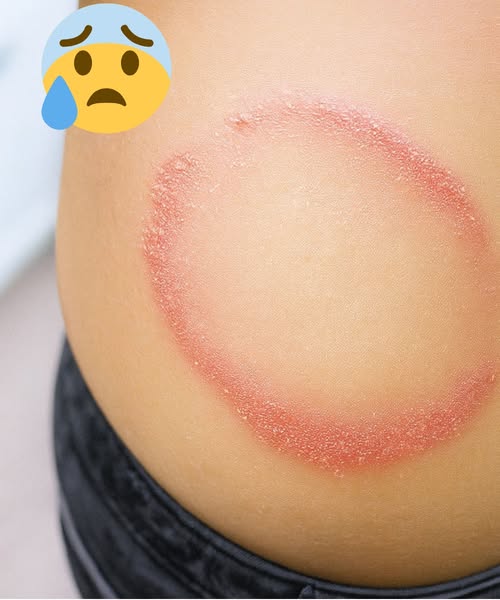

What Are Fungi on the Skin?
The body naturally contains microorganisms called skin fungi. However, they can overgrow and cause infections in warm, humid environments. Ringworm (dermatophytosis), which can affect different parts of the body; cutaneous candidiasis, which grows best in moist areas like the groin and armpits; onychomycosis, which affects the fingernails and toenails; and pityriasis versicolor, which results in discolored patches of skin, are a few common fungal infections.
Ringworm: What Is It?
A contagious fungal infection, ringworm manifests as red, round rashes that are frequently scaly or itchy. Its name refers to the region it impacts. Tinea corporis manifests as round, transparent patches on the arms, legs, or torso. Children are most commonly affected by tinea capitis, which causes crusting and hair loss on the scalp. Athlete’s foot, or tinea pedis, results in odor and cracking between the toes. Jock itch, or tinea cruris, is a condition that affects the inner thighs and groin. The nails become thick, brittle, and discolored when tinea unguium infects them.
How Do Skin Fungi Spread?
Direct contact with infected individuals, animals, or contaminated items such as combs, clothing, and towels can spread fungal infections. Additionally dangerous are damp areas like swimming pools, gym floors, and public showers. Poor hygiene habits, wearing tight clothing, and excessive perspiration are additional risk factors.
Medical Interventions
The type and severity of the infection determine the course of treatment. Topical antifungals such as terbinafine, ketoconazole, or clotrimazole, applied twice daily for two to four weeks, usually work well for mild cases. Oral antifungals like itraconazole or fluconazole are frequently needed for severe or recalcitrant infections, particularly those that affect the scalp or nails. Grizeofulvin can be used to treat scalp ringworm, but longer-term oral therapy or specific antifungal lacquers may be needed to treat nail fungus.
Natural Treatments (Only Complementary)
While they can aid in healing, natural remedies shouldn’t be used in place of prescription drugs. Using a cotton ball, apply apple cider vinegar twice a day to treat fungal infections. Coconut oil and crushed garlic can be applied topically for 30 minutes. Another natural antifungal that can be applied twice daily is diluted tea tree oil. Baking soda can be applied as a paste or sprinkled on shoes to absorb moisture. You can use fresh aloe vera gel multiple times a day to soothe and heal.
How to Avoid Infections by Fungi
Maintaining proper hygiene is essential. Always make sure your skin is completely dry and clean, especially after taking a bath. Do not share personal items such as razors, socks, or towels. When using public showers, gyms, and swimming pools, wear protective footwear. A healthy diet, enough sleep, and stress reduction can all help to boost your immune system. If you are prone to athlete’s foot, applying antifungal powders can help keep your feet dry and prevent infections.
In conclusion
Ringworm and other fungal skin infections are common but treatable with the right care. A complete recovery can be ensured by using antifungal treatments on time, along with natural remedies and preventative measures. To prevent complications and guarantee successful treatment, consult a dermatologist if symptoms worsen or continue.