
In the world of professional sports, it is a rare and monumental event when an athlete’s arrival creates a seismic shift that fundamentally alters the landscape of an entire league. Caitlin Clark, with her transcendent talent and undeniable star power, has done just that for the WNBA. Yet, instead of being embraced and celebrated as the “savior” she is widely seen as, she has been met with a tidal wave of bitterness, jealousy, and outright hostility from the very people who should be championing the league’s unprecedented growth. Recently, WNBA legend Candace Parker stepped into the national spotlight, “breaking the silence” on live television to expose a devastating truth that many within the league refuse to acknowledge: the WNBA is actively self-destructing by its inability to accept and celebrate Caitlin Clark’s success.

The Unprecedented Impact of the “Clark Effect”
Since stepping onto the court, Caitlin Clark has become a global phenomenon. She is not only the most popular female basketball player today but arguably one of the most recognizable athletes in America, a level of fame that puts her in a conversation with legends like LeBron James and Stephen Curry. The numbers speak for themselves. The previous season saw the WNBA experience record-breaking surges in TV ratings, ticket sales, and merchandise flying off the shelves. Every measurable metric pointed to one undeniable truth: Caitlin Clark moves the needle like no one else.
This season, the “Caitlin Clark effect” has only intensified. Arenas are consistently sold out, and viewership records are being shattered with every game. The season opener, with its 2.7 million average viewers, became the most-watched WNBA regular season game in 25 years. More recently, another game peaked at an astonishing 3.3 million viewers. Even a preseason exhibition game of hers drew an incredible 1.3 million viewers, a number most regular-season games can only dream of.
However, a harsh reality was laid bare when Clark suffered a recent injury. Ticket prices for Indiana Fever games without her plummeted by a staggering 300%. While Fever fans have held their own in TV ratings, the rest of the league has fallen significantly behind. This serves as a stark wake-up call: the WNBA is one serious Caitlin Clark injury away from losing all of its momentum. She is projected to generate over a billion dollars in revenue for the WNBA this year alone. Every new deal, every lucrative contract that other players are hoping for, will vanish without the gravitational pull of Clark’s star power.
WNBA’s Self-Sabotage: Jealousy and Double Standards
Ironically, instead of harnessing and leveraging this immense potential, the WNBA has repeatedly “shot itself in the foot.” Candace Parker, as a living legend of the sport, didn’t hold back in pointing out that jealousy, bitterness, and clear double standards are suffocating the league’s growth.
From the very first games, Clark and her fans have faced a constant barrage of attacks. After the season opener, the league launched an investigation into alleged “hate speech” based on essentially baseless claims. Instead of celebrating a historic debut and a record-breaking moment for the league, the headlines were hijacked by manufactured controversy. The story was no longer about basketball; it was about conflict, and once again, Caitlin Clark and her fans were dragged into a narrative that had nothing to do with what happened on the court.
The league’s frightening silence in the face of actual hate and threats directed at Clark and her teammates has only made the situation worse. While investigations are launched over internet rumors, legitimate threats—including circling targets on players’ photos and making “on-site” claims—receive no public condemnation or support from the WNBA. This glaring inconsistency has turned the league into a cultural battleground, where race-based narratives are frequently used to explain Clark’s success, despite the fact that she shattered 62 WNBA records, became a First Team All-Star, ranked fourth in MVP voting, and dragged a bottom-dwelling team into the playoffs in her rookie year.
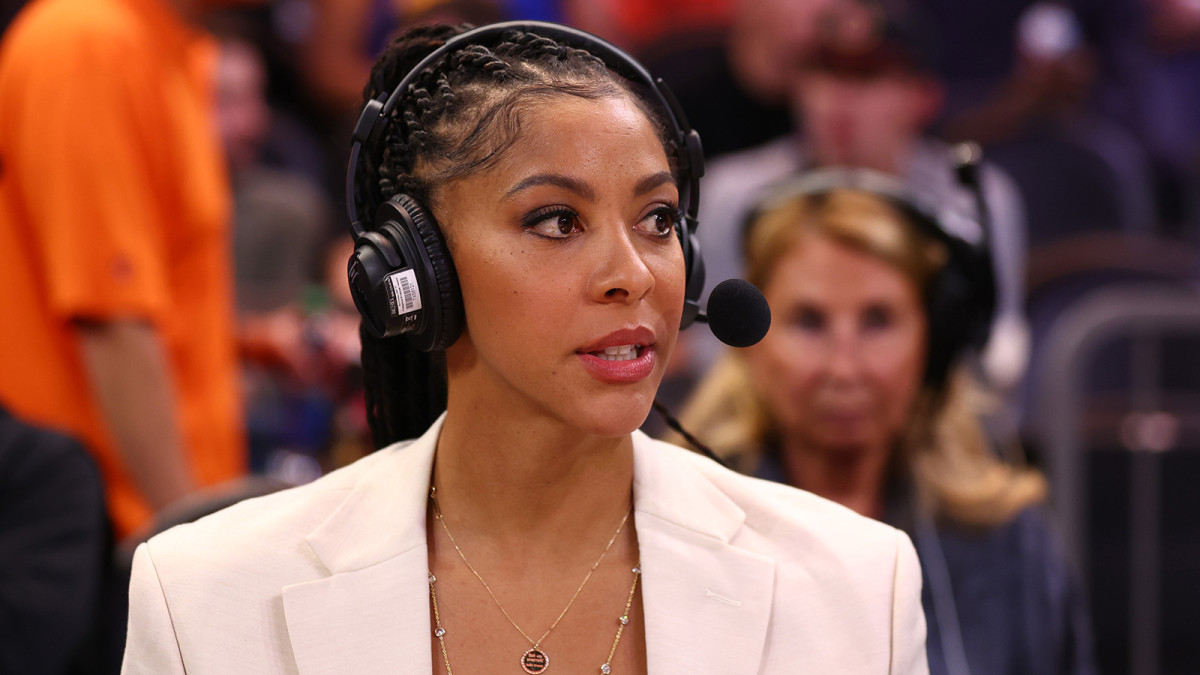
The absurd accusations have even escalated to the point where social media fans accused Clark of using her assistant coach’s baby as a “prop.” Candace Parker bluntly questioned the WNBA’s “No Room for Hate” slogan in the face of “gross, morbid, racist” comments directed at Clark.
A Reality Check from the Legends
Candace Parker is not the only voice of reason. Lisa Leslie, another WNBA legend and one of the most respected voices in women’s basketball, also delivered a “mic drop” moment by calling out the jealousy surrounding Caitlin Clark. Leslie emphasized that “it’s all about money and marketing,” and it’s impossible to deny what Clark has done for the women’s game. She questioned why anyone would feel a “certain kind of way” when Clark brings more attention and more televised games to the league.
Stephen A. Smith, one of the few mainstream voices willing to call out “jealousy” by name, compared Clark’s situation to Michael Jordan’s. When Jordan entered the NBA, his astronomical popularity led the league to market everything around him, even before he won championships. Smith posed the question of why a marketing plan that worked so well in the past would be a problem now.
Candace Parker, in her interview with Smith, provided one of the most measured, thoughtful, and logical responses yet. She shared that she is asked all the time if she is “resentful” of Caitlin Clark. This question alone speaks volumes about the depth of jealousy within the WNBA. But Parker provided the perfect answer: “My job was to leave the game better than I came into it.” She said it’s not about being jealous of who’s next, but about getting the game to a place where it’s ready for the next star. There is no need to downplay Clark’s success or act like it’s a fluke. Instead, she urged, be proud that you built the platform and then support her, because “it’s good for everyone.”
Parker also subtly but clearly condemned the race-based talking points that have been quietly and sometimes not so quietly undermining Clark’s rise. She called on everyone to “keep it about basketball,” because all those race-based takes are not helping the game grow. They are only drawing attention to the WNBA in the worst possible way—a league tearing itself apart from the inside, unable to celebrate its biggest moment without turning it into a culture war.
The Future of the WNBA: A Crossroads
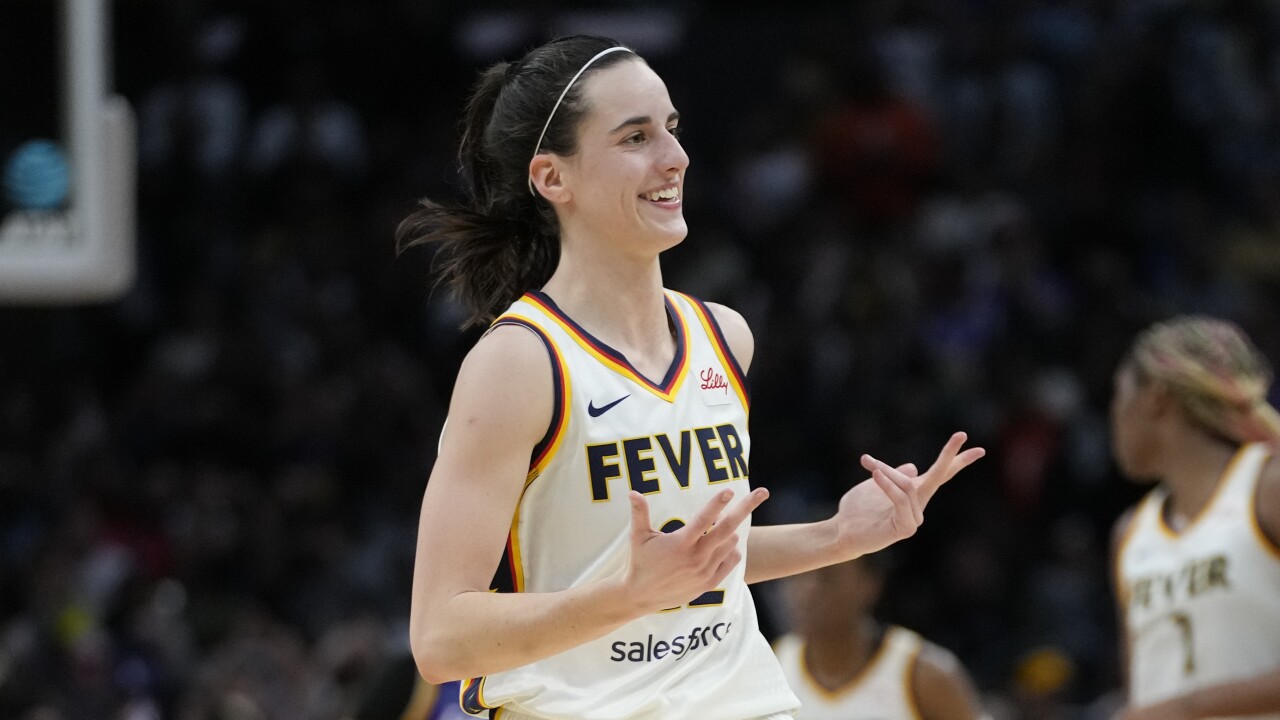
Caitlin Clark has done everything right: she has put on a show and given fans exactly what they came to see. In doing so, she has grown the game in a way the WNBA has never seen before. There has been no hate, no disrespect toward other players, the fans, or the legends who came before her. In fact, she has been nothing but respectful, constantly giving credit to those who paved the way, praising her teammates and competition, and showing genuine humility every step of the way.
This is the most critical growth window the WNBA has ever had. The league needs to stop sabotaging itself. That means celebrating the new fans, celebrating their star, and, most importantly, protecting her on the court. That means tightening up officiating and making it fair, so players can’t take runs at their golden goose with zero consequences.
The more players like Candace Parker who step up in interviews and speak out, the more this ecosystem, dangerously close to self-destructing, has a shot at stabilizing. The big question now is whether the league will finally learn its lesson, or if its Achilles heel—the inability to accept Caitlin Clark and the millions of fans she has brought—will be the thing that holds them back forever.