
It’s a scene that has already become infamous, a moment replayed in slow motion, frozen in screenshots, and dissected with the fury of a fanbase that believes it’s just seen a crime. In one frame, Indiana Fever star Sophie Cunningham is on the hardwood, her body contorted in pain as she clutches a knee that buckled in a way a leg should never bend. In another frame, just seconds later, the player responsible for the collision, Bria Hartley, is seen with what critics are calling a “smug smile,” a “grin” that has become the “smoking gun” in an incident many are labeling not as a basketball play, but as a “brutal assault.”
This single play, and the alleged grin that followed, has become a flashpoint in the WNBA, forcing the league to confront a crisis it can no longer ignore: a perceived failure to protect its brightest and most marketable stars.
The incident itself was fast, brutal, and, according to critics, entirely avoidable. As Cunningham moved, Hartley dove for a loose ball, a common enough occurrence. But her trajectory, fans and analysts argue, was unnatural. She didn’t just fall; she appeared to dive at Cunningham, collapsing her full body weight directly into the side of Sophie’s planted leg. The resulting injury was immediate and devastating. Cunningham, known for her toughness, was in visible, writhing agony, “in tears,” as her teammates rushed to her side.
For the Indiana Fever, the loss is potentially catastrophic. The team was already reeling from other injuries to key players. Sophie Cunningham, affectionately nicknamed “Sophie the Trophy,” has, according to many, risen to become the “second most popular player in the WNBA,” trailing only her superstar teammate, Caitlin Clark. Losing her could “flat out cripple their season.”
While official word on the injury is pending, Dr. Brian Sutterer, a popular sports injury analyst, reviewed the footage and suggested a grim prognosis: likely an MCL tear or a potential knee dislocation. Both are serious, painful injuries that could easily sideline Cunningham for the remainder of the season, a devastating blow to her, the team, and the league.
But this story is not just about one bad fall. It’s about the alleged perpetrator. And in the court of public opinion, Bria Hartley was found guilty long before she hit the floor. This, critics say, is because of her “dirty resume.”
The incident with Cunningham is, according to fans, not an aberration but the latest entry in a long highlight reel of foul play. Hartley, they claim, has built a career not on skill, but on a pattern of “cheap shots” and “antics.” They point to a history that is as shocking as it is extensive. There was the “Angel Reese ponytail incident,” where Hartley was accused of not just tugging on Reese’s hair but wrapping it around her hand “for extra grip,” like, as one critic put it, “she was trying to reel in a fish.”
Then there was the “Skyler Diggins collision,” a play where Hartley, instead of playing defense, allegedly “body-checked” Diggins in the open court in a move that looked “more like an audition for the NHL.” And perhaps most disturbingly, the incident with Rebecca Allen, where Hartley was accused of “scratching and clawing” her opponent so badly that she left visible “blood” and “scratches” on Allen’s shoulder, standing over her afterward in a posture of pure aggression.
This pattern, this “walking foul machine” reputation, is why Hartley gets zero benefit of the doubt. So when she was caught on camera “grinning” just seconds after Cunningham’s leg collapsed, fans didn’t see an accident. They saw intent. They saw a “dirty player” who, as one commentator alleged, “doesn’t stay in the WNBA because of skill,” but because she “rides on the coattails of real stars” by dragging them into the headlines with her.
The outrage is amplified by who the victim is. Sophie Cunningham is not just a star; she’s a fan favorite precisely because she, too, is tough. She’s “fearless,” “fiery,” and plays with an energy that fans adore. But her toughness has, according to the narrative, made her a target. This latest hit by Hartley is just one in a long “highlight reel of abuse.” She was “suplexed” by Kiki Fenne in a preseason game, in a move that looked “more like WWE.” She was shoved to the ground by Britney Sykes. She has “eaten elbows to the face” more times than anyone can count.

Yet, through it all, she bounces back. The transcript even notes that after this latest, most brutal hit, she was “still smiling in the locker room.” That is the resilience that fans love, and it’s the very thing they feel the WNBA is failing to protect.
This incident is now inextricably linked to the broader “Caitlin Clark” effect. As one analyst stated, “First Caitlyn Clark gets knocked out and now these dirty players are targeting Sophie too.” The two biggest stars on the league’s most-watched team are being physically brutalized, and the perception is that the league is sitting idly by.
The fury is palpable. Sophie Cunningham’s own family has reportedly spoken out, with her mother, Paula, and sister, Lindsay, questioning the league’s priorities. They pointedly asked why the WNBA is quick to fine players like Sophie for “calling out poor officiating” but slow to “protect your athletes” from players who are “just taking dives” and “playing out of control.”
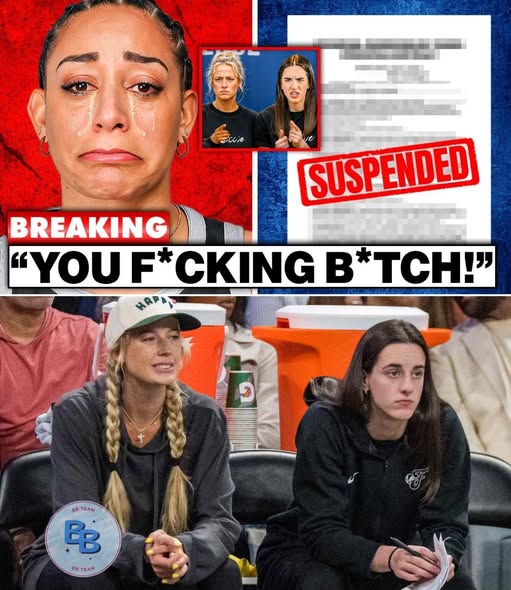
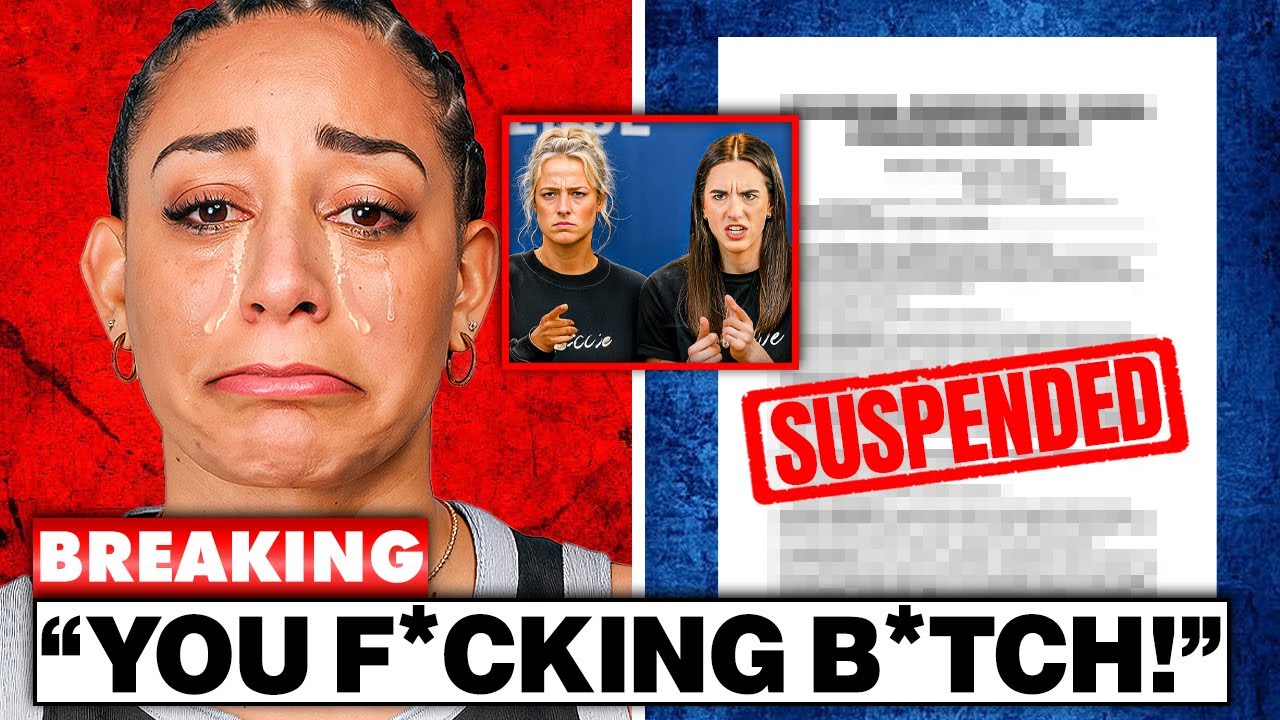
Now, the league has suspended Bria Hartley, but for many, it’s not enough. Analysts and fans are calling for a suspension that sends a real message: 20 to 22 games, half the season, plus a loss of salary. They want to see Commissioner Kathy Engelbert “drop the hammer” and prove that “cheap shots won’t be tolerated.”
The WNBA is at a tipping point. The trust of its new, expanded fanbase is “hanging by a thread.” If the league’s biggest draws, Clark and Cunningham, can’t stay on the floor because they are being “hunted” by “repeat offenders,” the television ratings will “dip” and the ticket sales will “crater.” The new fans who just arrived, drawn by the promise of skill and star power, will walk away, disgusted by a product that rewards “dirty” play.
Bria Hartley’s reputation, as the video makes clear, “precedes her.” When she fell, fans didn’t see an unlucky play; they saw “Bria Hartley doing what Bria Hartley always does.” The alleged smile was just confirmation. Now, the WNBA must decide if that kind of reputation is one it’s willing to keep on its payroll, or if it’s finally time to clean house and protect the stars who are actually building its future.