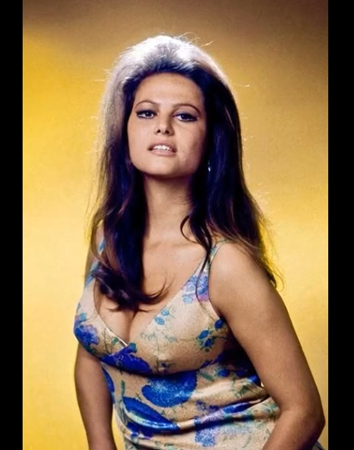

Claudia Cardinale: From Trauma to Stardom, A Journey Through Cinema
Few actresses in the history of world cinema embody mystery, grace, and resilience like Claudia Cardinale.
With a career spanning more than six decades, she became an icon of European and global cinema, starring alongside legends such as John Wayne, Marcello Mastroianni, Burt Lancaster, and Henry Fonda.
Yet, behind the glamour and the bright lights lay a story of trauma, secrecy, and survival. Now, at 86, Claudia reflects on her life with a simple but profound statement: “Cinema saved my life.”
Early Life in Tunis

Born in Tunis, Tunisia, in 1938 to Sicilian parents, Claudia Cardinale grew up with dreams far removed from the cinematic world. Her family emphasized education, and Claudia herself aspired to become a teacher.
Life in Tunis, a vibrant city with a mix of cultures and languages, shaped her early experiences and exposed her to a broad range of social and artistic influences.
She was known among friends and relatives for her intelligence, curiosity, and quiet determination.
Unexpected Entrance into Cinema
Claudia’s path to stardom was as unexpected as it was dramatic. At the age of 18, she attended an Italian film festival in Tunisia. During a beauty contest, she was spontaneously encouraged to step onto the stage and participate.
To her surprise, she won the title of “Most Beautiful Italian Girl in Tunisia,” a victory that would change the course of her life.
The award came with a ticket to the Venice Film Festival, where she caught the attention of Italian film producers.

Offers began pouring in immediately, and while many young women might have been swept away by the opportunity, Claudia approached her burgeoning career with caution, believing that desire and opportunity should grow with patience.
A Hidden Struggle
What the public did not know was that Claudia was carrying a child, conceived as a result of rape by an older man—a traumatic experience that would leave a lasting mark on her life.
She made the courageous decision to keep her son, Patrick, despite the immense social and personal challenges this entailed.
To protect herself and her child, she concealed the truth from the world, presenting Patrick as her younger brother for nearly twenty years.
This secret weighed heavily on her, but it also reinforced her resilience and determination. In later interviews, Claudia spoke openly about this period, emphasizing both the pain she endured and her refusal to surrender her role as a mother.
Professional Breakthrough and Franco Cristaldi
Eventually, Claudia’s growing talent and presence on screen led her to sign a long-term contract with the influential Italian producer Franco Cristaldi, who would later become her husband.
Cristaldi’s control over her career was extensive, encompassing not only the roles she accepted but also her public image and appearance.

During this period, her pregnancy remained a closely guarded secret, and she navigated the dual pressures of personal secrecy and professional demands with remarkable composure.
Despite these challenges, Claudia’s talent could not be contained. By the late 1950s, films such as “Three Strangers in Rome” had catapulted her to fame, making her one of Italy’s most beloved actresses.
Her performances showcased a depth and emotional intelligence that resonated with audiences, allowing her to transcend the limitations imposed upon her by circumstances beyond her control.
Rise to International Stardom
Claudia’s international breakthrough came in the 1960s, when she began to work with some of the most esteemed directors in European and American cinema.
She starred in films such as “The Leopard” (Il Gattopardo) directed by Luchino Visconti, a historical epic that remains a cornerstone of Italian cinema.
Her portrayal in “The Leopard” was lauded for its sophistication, emotional depth, and elegance, cementing her status as a screen legend.
Following this, Claudia worked with a host of cinematic icons, including John Frankenheimer, John Huston, and Sergio Leone, showcasing her versatility across genres ranging from romantic dramas to action-packed adventures.
Films like “Once Upon a Time in the West” demonstrated her ability to bring a compelling presence to both European and Hollywood cinema, proving that she could navigate diverse cultural and cinematic landscapes with ease.

Personal Resilience and Advocacy
Beyond her artistic achievements, Claudia Cardinale became known for her advocacy and openness regarding women’s rights, motherhood, and personal autonomy.
Her early experiences, including the trauma of sexual assault and the challenges of raising a child in secret, informed her public statements and advocacy.
She has consistently emphasized the importance of women owning their stories, asserting autonomy over their lives, and standing resilient in the face of adversity.
Cardinale’s reflections on her life reveal a profound understanding of the interplay between personal experience and professional achievement.
She often credits cinema with giving her purpose and strength, describing the craft as not merely a profession but a lifeline that allowed her to overcome immense personal challenges.
Legacy in Cinema
Over more than six decades, Claudia Cardinale has built a legacy that few actors achieve. She is remembered not only for her unforgettable screen presence but also for her courage, dignity, and resilience off-screen.
Her ability to captivate audiences while navigating the complexities of life speaks to a rare combination of talent and fortitude.
Claudia’s story continues to inspire new generations of actors, filmmakers, and audiences.

Her journey demonstrates how personal hardships can coexist with professional triumph, illustrating that resilience, strength, and artistry are deeply interconnected.
Her life stands as a testament to the transformative power of cinema, which she credits with having literally saved her life.
In interviews, Cardinale often emphasizes simplicity and gratitude, highlighting her love for the craft of acting and the joy it has brought to her life.
Despite the challenges and the secrecy that marked her early years, she maintains a sense of grace and composure that is emblematic of her enduring appeal.
Conclusion
Claudia Cardinale’s life story is a remarkable testament to human resilience and the power of cinema.
From a young girl in Tunis with dreams of teaching to an internationally celebrated actress who worked with some of the greatest names in cinema, her journey is marked by triumph over adversity, unwavering strength, and profound artistry.
Her experiences of trauma, secrecy, and survival did not prevent her from becoming one of the most respected and admired actresses of her generation.
Instead, they shaped her into a figure of enduring grace, determination, and inspiration.
Today, Claudia Cardinale’s legacy continues to shine, a reminder that true artistry is born not only from talent but also from the courage to confront and overcome life’s most profound challenges.
Claudia Cardinale: From Trauma to Stardom, A Journey Through Cinema
Few actresses in the history of world cinema embody mystery, grace, and resilience like Claudia Cardinale.
With a career spanning more than six decades, she became an icon of European and global cinema, starring alongside legends such as John Wayne, Marcello Mastroianni, Burt Lancaster, and Henry Fonda.
Yet, behind the glamour and the bright lights lay a story of trauma, secrecy, and survival. Now, at 86, Claudia reflects on her life with a simple but profound statement: “Cinema saved my life.”
Early Life in Tunis
Born in Tunis, Tunisia, in 1938 to Sicilian parents, Claudia Cardinale grew up with dreams far removed from the cinematic world. Her family emphasized education, and Claudia herself aspired to become a teacher.
Life in Tunis, a vibrant city with a mix of cultures and languages, shaped her early experiences and exposed her to a broad range of social and artistic influences.
She was known among friends and relatives for her intelligence, curiosity, and quiet determination.
Unexpected Entrance into Cinema
Claudia’s path to stardom was as unexpected as it was dramatic. At the age of 18, she attended an Italian film festival in Tunisia. During a beauty contest, she was spontaneously encouraged to step onto the stage and participate.
To her surprise, she won the title of “Most Beautiful Italian Girl in Tunisia,” a victory that would change the course of her life.
The award came with a ticket to the Venice Film Festival, where she caught the attention of Italian film producers.
Offers began pouring in immediately, and while many young women might have been swept away by the opportunity, Claudia approached her burgeoning career with caution, believing that desire and opportunity should grow with patience.
A Hidden Struggle
What the public did not know was that Claudia was carrying a child, conceived as a result of rape by an older man—a traumatic experience that would leave a lasting mark on her life.
She made the courageous decision to keep her son, Patrick, despite the immense social and personal challenges this entailed.
To protect herself and her child, she concealed the truth from the world, presenting Patrick as her younger brother for nearly twenty years.
This secret weighed heavily on her, but it also reinforced her resilience and determination. In later interviews, Claudia spoke openly about this period, emphasizing both the pain she endured and her refusal to surrender her role as a mother.
Professional Breakthrough and Franco Cristaldi
Eventually, Claudia’s growing talent and presence on screen led her to sign a long-term contract with the influential Italian producer Franco Cristaldi, who would later become her husband.
Cristaldi’s control over her career was extensive, encompassing not only the roles she accepted but also her public image and appearance.
During this period, her pregnancy remained a closely guarded secret, and she navigated the dual pressures of personal secrecy and professional demands with remarkable composure.
Despite these challenges, Claudia’s talent could not be contained. By the late 1950s, films such as “Three Strangers in Rome” had catapulted her to fame, making her one of Italy’s most beloved actresses.
Her performances showcased a depth and emotional intelligence that resonated with audiences, allowing her to transcend the limitations imposed upon her by circumstances beyond her control.
Rise to International Stardom
Claudia’s international breakthrough came in the 1960s, when she began to work with some of the most esteemed directors in European and American cinema.
She starred in films such as “The Leopard” (Il Gattopardo) directed by Luchino Visconti, a historical epic that remains a cornerstone of Italian cinema.
Her portrayal in “The Leopard” was lauded for its sophistication, emotional depth, and elegance, cementing her status as a screen legend.
Following this, Claudia worked with a host of cinematic icons, including John Frankenheimer, John Huston, and Sergio Leone, showcasing her versatility across genres ranging from romantic dramas to action-packed adventures.
Films like “Once Upon a Time in the West” demonstrated her ability to bring a compelling presence to both European and Hollywood cinema, proving that she could navigate diverse cultural and cinematic landscapes with ease.
Personal Resilience and Advocacy
Beyond her artistic achievements, Claudia Cardinale became known for her advocacy and openness regarding women’s rights, motherhood, and personal autonomy.
Her early experiences, including the trauma of sexual assault and the challenges of raising a child in secret, informed her public statements and advocacy.
She has consistently emphasized the importance of women owning their stories, asserting autonomy over their lives, and standing resilient in the face of adversity.
Cardinale’s reflections on her life reveal a profound understanding of the interplay between personal experience and professional achievement.
She often credits cinema with giving her purpose and strength, describing the craft as not merely a profession but a lifeline that allowed her to overcome immense personal challenges.
Legacy in Cinema
Over more than six decades, Claudia Cardinale has built a legacy that few actors achieve. She is remembered not only for her unforgettable screen presence but also for her courage, dignity, and resilience off-screen.
Her ability to captivate audiences while navigating the complexities of life speaks to a rare combination of talent and fortitude.
Claudia’s story continues to inspire new generations of actors, filmmakers, and audiences.
Her journey demonstrates how personal hardships can coexist with professional triumph, illustrating that resilience, strength, and artistry are deeply interconnected.
Her life stands as a testament to the transformative power of cinema, which she credits with having literally saved her life.
In interviews, Cardinale often emphasizes simplicity and gratitude, highlighting her love for the craft of acting and the joy it has brought to her life.
Despite the challenges and the secrecy that marked her early years, she maintains a sense of grace and composure that is emblematic of her enduring appeal.
Conclusion
Claudia Cardinale’s life story is a remarkable testament to human resilience and the power of cinema.
From a young girl in Tunis with dreams of teaching to an internationally celebrated actress who worked with some of the greatest names in cinema, her journey is marked by triumph over adversity, unwavering strength, and profound artistry.
Her experiences of trauma, secrecy, and survival did not prevent her from becoming one of the most respected and admired actresses of her generation.
Instead, they shaped her into a figure of enduring grace, determination, and inspiration.
Today, Claudia Cardinale’s legacy continues to shine, a reminder that true artistry is born not only from talent but also from the courage to confront and overcome life’s most profound challenges.