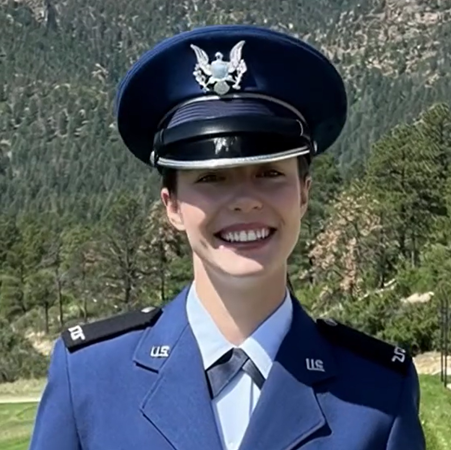

The U.S. Air Force Academy and the small Texas town of Tyler are mourning the heartbreaking loss of Avery Koonce.
A promising 19-year-old cadet whose life was cut tragically short. Koonce, known for her remarkable talent, drive, and athleticism.
Passed away on September 4, 2024, in her dorm room in Colorado Springs, Colorado. The circumstances of her death, confirmed by the El Paso County Coroner’s Office, have sent shockwaves through both the Academy and her hometown, highlighting the importance of awareness regarding respiratory illnesses, early treatment, and the seriousness of infections that may initially seem routine.
A Bright Young Life
Avery Koonce was born and raised in Tyler, Texas, where she quickly gained a reputation as a determined and ambitious young woman.
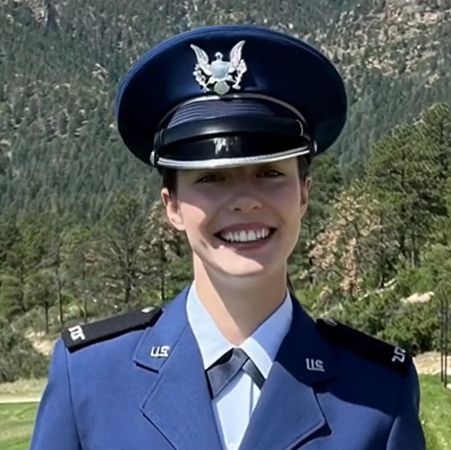
From an early age, Avery displayed extraordinary drive and energy, excelling both academically and athletically. She attended Thrall High School in Taylor, Texas, where she became a standout athlete in track and field.
Her sprint times and dedication to the sport earned her accolades and recognition in local and state competitions.
Teammates and coaches remember her as disciplined, focused, and fiercely supportive of her peers, qualities that would later define her approach to life at the Air Force Academy.
In addition to her athletic talent, Avery was academically gifted and highly respected by her classmates and instructors. She had an innate ability to balance rigorous coursework, military training, and athletics — a testament to her extraordinary resilience and commitment.
Her parents, Eric and Kelly Koonce, often described their daughter as a bright light in a challenging world, someone who carried herself with integrity, intelligence, and warmth. Friends echoed this sentiment, noting her kindness, humor, and infectious enthusiasm for life.
The Final Days
In the days leading up to her passing, Avery reportedly began experiencing classic respiratory symptoms that many might have underestimated.
According to the coroner’s report, she had a persistent cough and likely experienced fever, difficulty breathing, and general fatigue — hallmark signs of pneumonia.
Despite these warning signs, it appears that her condition progressed rapidly, culminating in severe complications.
The El Paso County Coroner’s Office ruled her death the result of paeniclostridium sordelli sepsis complicating parainfluenza laryngotracheobronchitis, a rare but life-threatening bacterial infection triggered by a viral lung illness.
Forensic pathologist Dr. Michael Baden, who reviewed the case, explained that Koonce essentially died from untreated pneumonia, emphasizing that timely medical intervention with antibiotics and fluids could likely have prevented the fatal outcome.
Dr. Baden further noted that respiratory symptoms, particularly in young adults, are often underestimated or ignored, leading to delayed treatment.
He suggested that Avery may not have realized the severity of her condition, highlighting a tragic reality: even young, fit individuals can be vulnerable to infections that escalate quickly without proper medical attention.
A Life of Athleticism and Dedication
Avery’s death is particularly poignant because of the extraordinary energy and drive she brought to her athletic endeavors.
At Thrall High School, she was a standout in track and field, consistently demonstrating exceptional speed and stamina.
Her sprinting accomplishments earned her recognition in competitions across Texas, where she built a reputation not only as a gifted athlete but as a dedicated and humble team player.
Upon joining the U.S. Air Force Academy, Avery continued her athletic journey, participating in the Academy’s track and field program.
Here, she balanced the demanding life of a cadet — including rigorous physical training, academic coursework, and military obligations — with her love for sports.
Coaches and teammates recall her as disciplined, determined, and encouraging, often serving as a source of motivation for others on the team. Her presence on the track was more than performance; it was an embodiment of hard work, perseverance, and leadership.
Family, Community, and Support
Avery’s family describes her as the center of their world, a young woman whose energy, kindness, and determination inspired everyone she met.

Eric and Kelly Koonce expressed profound grief over the loss of their daughter, describing a void that cannot be filled. “Avery was an incredible, bright light in this broken world,” her mother said.
“She brought joy to everyone she met and carried herself with a strength and spirit far beyond her years.”
The Tyler, Texas, community also rallied around the family, mourning the loss of a young woman who had touched so many lives.
Friends, teachers, and former coaches shared stories highlighting Avery’s dedication, humor, and compassion.
Many remembered her as someone who lifted others up, whether through encouragement on the track, a kind word in the classroom, or simple gestures of friendship and generosity.
Understanding Paeniclostridium Sordelli Sepsis
Medical experts note that paeniclostridium sordelli sepsis is a rare but aggressive bacterial infection that can occur when bacteria invade the bloodstream, often following a viral illness.
In Avery’s case, the infection was complicated by parainfluenza laryngotracheobronchitis, a condition affecting the upper airways.
This combination can rapidly lead to systemic infection, organ failure, and death if not treated promptly.
Dr. Baden emphasized that young, healthy individuals are not immune to severe complications from respiratory infections.
Pneumonia, while often manageable with early treatment, can become fatal when symptoms are ignored, misdiagnosed, or not addressed promptly.
In Avery’s case, her status as a cadet — living away from home and balancing demanding responsibilities — may have contributed to delays in seeking medical attention, compounding the risk.
The tragedy underscores a vital public health message: respiratory symptoms should never be dismissed, even in otherwise healthy young adults.

Fever, persistent cough, shortness of breath, and fatigue are signals that require medical evaluation. Early intervention with antibiotics, hydration, and rest can prevent life-threatening complications.
The Impact of Loss
Avery Koonce’s passing is a devastating loss not only to her family but also to the U.S. Air Force Academy and the broader community.
Her story has sparked reflection on cadet health protocols, the importance of monitoring student wellness, and the need for awareness of severe infections in young adults.
Academy officials have expressed deep sorrow, noting that Avery exemplified dedication, resilience, and excellence in all aspects of her life.
For her family and friends, the loss is intensely personal. Avery’s parents describe her as joyful, compassionate, and determined, a young woman whose energy and spirit left a lasting mark.
The grief has been compounded by the suddenness and preventability of her death, emphasizing the fragility of life and the importance of vigilance regarding health and safety.
A Heartbreaking Reminder
The circumstances surrounding Avery Koonce’s death serve as a poignant reminder of the seriousness of untreated respiratory infections.
While pneumonia is often treatable, delays in diagnosis and treatment can have tragic consequences, even for the young and physically fit.
Avery’s story highlights the need for education, awareness, and timely medical care, particularly for students, athletes, and young adults living away from home for the first time.
Her life, though tragically short, remains an example of courage, dedication, and resilience. Avery’s achievements in athletics, academics, and personal growth reflect a young woman who embraced life fully, despite the pressures and challenges she faced.
She serves as an inspiration to those striving for excellence in demanding environments, demonstrating the impact of hard work, perseverance, and determination.
Honoring Avery’s Memory
In the wake of her death, family, friends, and members of the Air Force Academy community have sought ways to honor Avery’s memory.
Tributes celebrate her athletic achievements, her commitment to excellence, and her vibrant personality.
Her story has sparked conversations about health awareness, self-care, and the responsibilities of institutions to protect and monitor the well-being of students and cadets.
Avery’s parents have expressed a desire for her legacy to educate others about the importance of taking symptoms seriously, advocating for prompt medical care, and ensuring that young people understand the potential severity of respiratory illnesses.
In doing so, they hope that Avery’s passing can help prevent similar tragedies in the future.
Conclusion
The loss of Avery Koonce is profoundly tragic, leaving a void in the lives of her family, friends, and community.
She was a bright, talented, and driven young woman whose life embodied determination, athletic excellence, and resilience.
Her untimely death from complications of severe pneumonia and a rare bacterial infection is a reminder that even the healthiest individuals can face unexpected medical emergencies.
Avery’s story underscores the importance of awareness, timely treatment, and vigilance regarding respiratory illnesses, particularly among young adults and students living away from home.
Her life and achievements continue to inspire those who knew her, highlighting her extraordinary character, dedication, and spirit.
As her family, friends, and community mourn, Avery Koonce is remembered not just for her athletic prowess or her academic promise but for the light she brought into the world, the determination she exemplified, and the love she shared with those around her
. Her story stands as both a celebration of her life and a cautionary tale, a powerful reminder of the fragility of life, the seriousness of respiratory infections, and the enduring impact one young life can have on many.
The U.S. Air Force Academy and the small Texas town of Tyler are mourning the heartbreaking loss of Avery Koonce.
A promising 19-year-old cadet whose life was cut tragically short. Koonce, known for her remarkable talent, drive, and athleticism.
Passed away on September 4, 2024, in her dorm room in Colorado Springs, Colorado. The circumstances of her death, confirmed by the El Paso County Coroner’s Office, have sent shockwaves through both the Academy and her hometown, highlighting the importance of awareness regarding respiratory illnesses, early treatment, and the seriousness of infections that may initially seem routine.
A Bright Young Life
Avery Koonce was born and raised in Tyler, Texas, where she quickly gained a reputation as a determined and ambitious young woman.
From an early age, Avery displayed extraordinary drive and energy, excelling both academically and athletically. She attended Thrall High School in Taylor, Texas, where she became a standout athlete in track and field.
Her sprint times and dedication to the sport earned her accolades and recognition in local and state competitions.
Teammates and coaches remember her as disciplined, focused, and fiercely supportive of her peers, qualities that would later define her approach to life at the Air Force Academy.
In addition to her athletic talent, Avery was academically gifted and highly respected by her classmates and instructors. She had an innate ability to balance rigorous coursework, military training, and athletics — a testament to her extraordinary resilience and commitment.
Her parents, Eric and Kelly Koonce, often described their daughter as a bright light in a challenging world, someone who carried herself with integrity, intelligence, and warmth. Friends echoed this sentiment, noting her kindness, humor, and infectious enthusiasm for life.
The Final Days
In the days leading up to her passing, Avery reportedly began experiencing classic respiratory symptoms that many might have underestimated.
According to the coroner’s report, she had a persistent cough and likely experienced fever, difficulty breathing, and general fatigue — hallmark signs of pneumonia.
Despite these warning signs, it appears that her condition progressed rapidly, culminating in severe complications.
The El Paso County Coroner’s Office ruled her death the result of paeniclostridium sordelli sepsis complicating parainfluenza laryngotracheobronchitis, a rare but life-threatening bacterial infection triggered by a viral lung illness.
Forensic pathologist Dr. Michael Baden, who reviewed the case, explained that Koonce essentially died from untreated pneumonia, emphasizing that timely medical intervention with antibiotics and fluids could likely have prevented the fatal outcome.
Dr. Baden further noted that respiratory symptoms, particularly in young adults, are often underestimated or ignored, leading to delayed treatment.
He suggested that Avery may not have realized the severity of her condition, highlighting a tragic reality: even young, fit individuals can be vulnerable to infections that escalate quickly without proper medical attention.
A Life of Athleticism and Dedication
Avery’s death is particularly poignant because of the extraordinary energy and drive she brought to her athletic endeavors.
At Thrall High School, she was a standout in track and field, consistently demonstrating exceptional speed and stamina.
Her sprinting accomplishments earned her recognition in competitions across Texas, where she built a reputation not only as a gifted athlete but as a dedicated and humble team player.
Upon joining the U.S. Air Force Academy, Avery continued her athletic journey, participating in the Academy’s track and field program.
Here, she balanced the demanding life of a cadet — including rigorous physical training, academic coursework, and military obligations — with her love for sports.
Coaches and teammates recall her as disciplined, determined, and encouraging, often serving as a source of motivation for others on the team. Her presence on the track was more than performance; it was an embodiment of hard work, perseverance, and leadership.
Family, Community, and Support
Avery’s family describes her as the center of their world, a young woman whose energy, kindness, and determination inspired everyone she met.
Eric and Kelly Koonce expressed profound grief over the loss of their daughter, describing a void that cannot be filled. “Avery was an incredible, bright light in this broken world,” her mother said.
“She brought joy to everyone she met and carried herself with a strength and spirit far beyond her years.”
The Tyler, Texas, community also rallied around the family, mourning the loss of a young woman who had touched so many lives.
Friends, teachers, and former coaches shared stories highlighting Avery’s dedication, humor, and compassion.
Many remembered her as someone who lifted others up, whether through encouragement on the track, a kind word in the classroom, or simple gestures of friendship and generosity.
Understanding Paeniclostridium Sordelli Sepsis
Medical experts note that paeniclostridium sordelli sepsis is a rare but aggressive bacterial infection that can occur when bacteria invade the bloodstream, often following a viral illness.
In Avery’s case, the infection was complicated by parainfluenza laryngotracheobronchitis, a condition affecting the upper airways.
This combination can rapidly lead to systemic infection, organ failure, and death if not treated promptly.
Dr. Baden emphasized that young, healthy individuals are not immune to severe complications from respiratory infections.
Pneumonia, while often manageable with early treatment, can become fatal when symptoms are ignored, misdiagnosed, or not addressed promptly.
In Avery’s case, her status as a cadet — living away from home and balancing demanding responsibilities — may have contributed to delays in seeking medical attention, compounding the risk.
The tragedy underscores a vital public health message: respiratory symptoms should never be dismissed, even in otherwise healthy young adults.
Fever, persistent cough, shortness of breath, and fatigue are signals that require medical evaluation. Early intervention with antibiotics, hydration, and rest can prevent life-threatening complications.
The Impact of Loss
Avery Koonce’s passing is a devastating loss not only to her family but also to the U.S. Air Force Academy and the broader community.
Her story has sparked reflection on cadet health protocols, the importance of monitoring student wellness, and the need for awareness of severe infections in young adults.
Academy officials have expressed deep sorrow, noting that Avery exemplified dedication, resilience, and excellence in all aspects of her life.
For her family and friends, the loss is intensely personal. Avery’s parents describe her as joyful, compassionate, and determined, a young woman whose energy and spirit left a lasting mark.
The grief has been compounded by the suddenness and preventability of her death, emphasizing the fragility of life and the importance of vigilance regarding health and safety.
A Heartbreaking Reminder
The circumstances surrounding Avery Koonce’s death serve as a poignant reminder of the seriousness of untreated respiratory infections.
While pneumonia is often treatable, delays in diagnosis and treatment can have tragic consequences, even for the young and physically fit.
Avery’s story highlights the need for education, awareness, and timely medical care, particularly for students, athletes, and young adults living away from home for the first time.
Her life, though tragically short, remains an example of courage, dedication, and resilience. Avery’s achievements in athletics, academics, and personal growth reflect a young woman who embraced life fully, despite the pressures and challenges she faced.
She serves as an inspiration to those striving for excellence in demanding environments, demonstrating the impact of hard work, perseverance, and determination.
Honoring Avery’s Memory
In the wake of her death, family, friends, and members of the Air Force Academy community have sought ways to honor Avery’s memory.
Tributes celebrate her athletic achievements, her commitment to excellence, and her vibrant personality.
Her story has sparked conversations about health awareness, self-care, and the responsibilities of institutions to protect and monitor the well-being of students and cadets.
Avery’s parents have expressed a desire for her legacy to educate others about the importance of taking symptoms seriously, advocating for prompt medical care, and ensuring that young people understand the potential severity of respiratory illnesses.
In doing so, they hope that Avery’s passing can help prevent similar tragedies in the future.
Conclusion
The loss of Avery Koonce is profoundly tragic, leaving a void in the lives of her family, friends, and community.
She was a bright, talented, and driven young woman whose life embodied determination, athletic excellence, and resilience.
Her untimely death from complications of severe pneumonia and a rare bacterial infection is a reminder that even the healthiest individuals can face unexpected medical emergencies.
Avery’s story underscores the importance of awareness, timely treatment, and vigilance regarding respiratory illnesses, particularly among young adults and students living away from home.
Her life and achievements continue to inspire those who knew her, highlighting her extraordinary character, dedication, and spirit.
As her family, friends, and community mourn, Avery Koonce is remembered not just for her athletic prowess or her academic promise but for the light she brought into the world, the determination she exemplified, and the love she shared with those around her
. Her story stands as both a celebration of her life and a cautionary tale, a powerful reminder of the fragility of life, the seriousness of respiratory infections, and the enduring impact one young life can have on many.